Introducing the “Social Networking Online Protection Act”
At least somebody out there is concerned with your social media privacy rights, but you might be surprised to hear that the concerned parties actually reside in Washington.


At least somebody out there is concerned with your social media privacy rights, but you might be surprised to hear that the concerned parties actually reside in Washington.
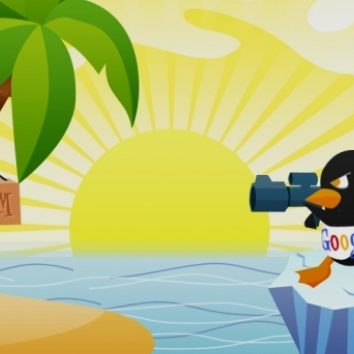
Google released a webspam update (now officially referred to as the “Penguin Update”) last week which has a lot of website developers, bloggers, search engine optimization (SEO) marketers, and owners wondering what happened to their page rankings.
Yesterday, we reported that Google would soon be releasing a search engine update to reduce the website page rankings of websites that engaged in webspam, or black hat search engine optimization (SEO) practices and techniques, that are in direct violation of Google’s quality guidelines and procedures.

According to a post published on the Google Webmaster Central Blog, Google will soon be launching another update aimed at minimizing webspam and reducing the visibility of sites that fall short of the search giant’s quality guidelines. The post indicates that approximately 3% of all search queries will be affected.

It’s been a long time coming – six years, in fact, since rumors first started to emerge that Google would “soon” be releasing a hosted online storage solution that would compete with services such as Dropbox. That moment has finally come, and Google Drive has been released and is now officially open for business.

For all questions SEO-related, Google Webspam department head Matt Cutts is probably the person to ask. Cutts joined Google as a software engineer way back in January of 2000, and he’s become something of an SEO legend during his decade-plus of service at the world’s biggest search engine.

As a website owner or blogger, building keyword lists in AdWords to account for things like keyword variations, plurals, misspellings, and abbreviations is probably low on your “like to do” list. After all, Google already accounts for these types of variations automatically within its organic search results, so why can’t the same be done in AdWords?

According to a post this morning on the Google Official Blog, Google will be making a new program entitled “Brand Activate” available to online advertisers in the very near future. The purpose of Brand Activate will be to offer online marketers additional metrics specifically designed to highlight the benefits of online advertising.

MDG Advertising recently released a comprehensive new infographic detailing public perceptions of the search market