Google: Mobile Sites Should Prioritize Speed
Google’s new quality guidelines may have you feeling a little frustrated, especially if you trade in rich content that can take a few moments for users to load, even on a 4G connection.


Google’s new quality guidelines may have you feeling a little frustrated, especially if you trade in rich content that can take a few moments for users to load, even on a 4G connection.

Old-school SEOers will still tell you that a blog post, or any page of content on the internet, should be comprised of no more than 300 to 400 total words – maybe 500 words at a maximum and only 500 words if the subject matter that is being discussed really calls for it.

If your website or blog site predominately caters to an English-speaking audience, it is all too easy to forget that the rest of the world – at least the portions with internet access – use Google and other various search engines too search for information.

By now, everyone’s accustomed to pulling links from news, entertainment and business websites and posting them on

A post published yesterday on the Google Official Blog reveals that Google is bringing back the Zagat mobile application for both iOS and Android mobile devices.

Matt Cutts, head of web spam at Google, is back with another video Q&A session, this time focusing on and tackling the topic of whether expandable text sections will negatively impact your search engine optimization efforts.

A new customer satisfaction survey published by ForeSee Results does not bode well for most of our beloved search engines and the most popular social network sites, according to a new report by Search Engine Land.

A new post published yesterday on the Bing Search Blog indicated that seven new categories are going to be released on the Bing Autosuggest application – a functionality in which Bing provides you with a list of predictions as to what you might be searching for based on the text you have entered so far.
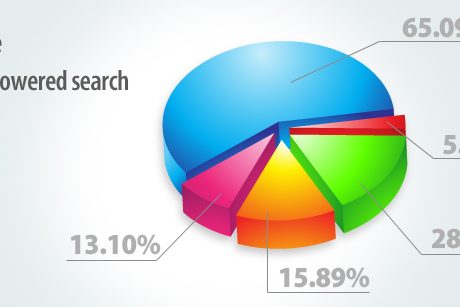
Most months, all the major search engines trade at least a few percentage points of market share, but from May to June of this year, all of the Big 3 (Google, Yahoo and Bing) and even the lesser-remembered two (AOL and Ask.com) remained essentially stagnant.