

According to a blog post shared by Tarun Jain, Twitter is testing out a new feature that could seriously increase the social network’s e-commerce influence. Known simply as the “buy” button, the feature will allow users to purchase products directly from a Tweet.
Read Article

Well, it’s official – Google Authorship is done and gone. First they removed author photos, and now all author info will be dropped from the SERPs completely. According to Google, the “rel=author” markups signifying authorship will not incur penalties – they’ll just be ignored.

At the beginning of this year, business consultant Mark Schaefer coined the term content shock to describe how the overwhelming amount of content being posted on the Internet every day could result in content marketing ending up as an unsustainable strategy for many companies.
Ok, you definitely won’t cry – in fact, you might even rejoice. In a blog post published by the Facebook Newsroom earlier this week, the social giant announced that it would be cracking down on click-bait headlines similar to the one above.
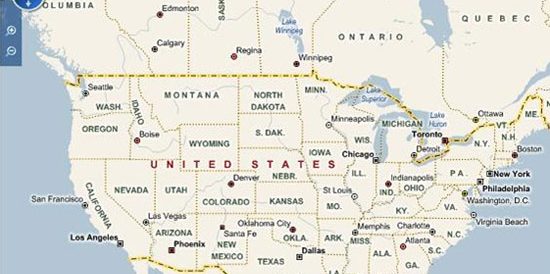
In an apparent attempt to compete with the reigning web map service, Google Maps, Microsoft’s Bing has recently added some new features. The new options will allow users to preview certain landmarks, buildings and streets in over 100 U.S. cities.