

Artificial intelligence can be used in many different ways. But one thing that has been gaining traction lately is that people are using AI programs like ChatGPT essentially as a search engine. When they’re looking for specific information, they just ask the AI for a result. The language model then searches the internet and returns the answers based on its findings.
Read Article

In the past, running a Google search meant getting a results page filled with relevant links. This was largely based on the content of the pages or websites themselves, as Google would simply look for relevant keywords and try to determine which sites would provide the most helpful information for the user. The appropriate use of keywords and other SEO tactics could help a page rank higher.
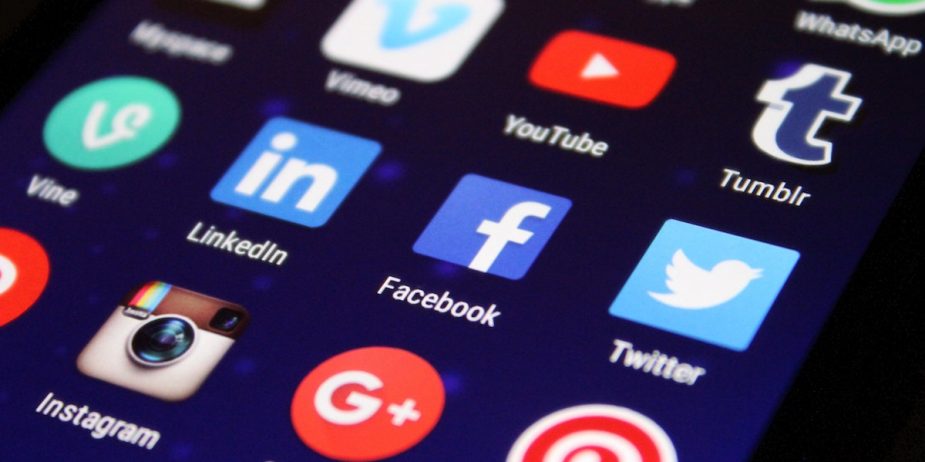
As a business owner, it may be clear to you that you need to focus on social media marketing. There are billions of people online every day, so there’s a massive potential audience. Social media gives you unique opportunities to get marketing materials and other information in front of these individuals, and you can even directly interact with them. In this sense, it can build brand awareness and influence sales.

You’ve been running your website for years, and you’re constantly adding new content. Maybe you’re drafting new product pages or running weekly blog posts. You’re always adding to the site and expanding the information for your audience. This may happen naturally, such as when your company develops new products or services and needs additional pages for them. It may also happen if you just identify areas where your site is missing important information and you want to ensure that you address everything appropriately.

Your logo is incredibly important to your business and your brand. Ideally, it will be the first thing people begin to recognize. If they see your logo, they’ll instantly know that those are your products, and this helps to build up positive brand recognition. Many multimillion-dollar corporations have a logo that is almost immediately recognized in multiple countries, and they may have spent years or even decades building up that reputation.