

Social media can be a powerful tool for marketing your products or services. It gives you a chance to advertise and connect with your target audience. It can help with branding, direct sales or simply building out a network of people who are interested as your company’s reputation grows.
Read Article

You will sometimes hear people talk about SEO as if it doesn’t work. Maybe they’ve had a poor experience with it. They tried to do search engine optimization, hoping to increase the traffic to their website, but they just didn’t see results. They decided that this means SEO doesn’t work as a general tactic, so they’ve given up on it.

Most people do not finish reading an entire article online, instead opting to skim and leave before they’ve read the whole thing. It’s important to put that at the top because most people reading this article also won’t get to the end. If you’re creating content for your website, the first thing you need to know is that the most valuable information should go as high as possible so that readers will actually see it.
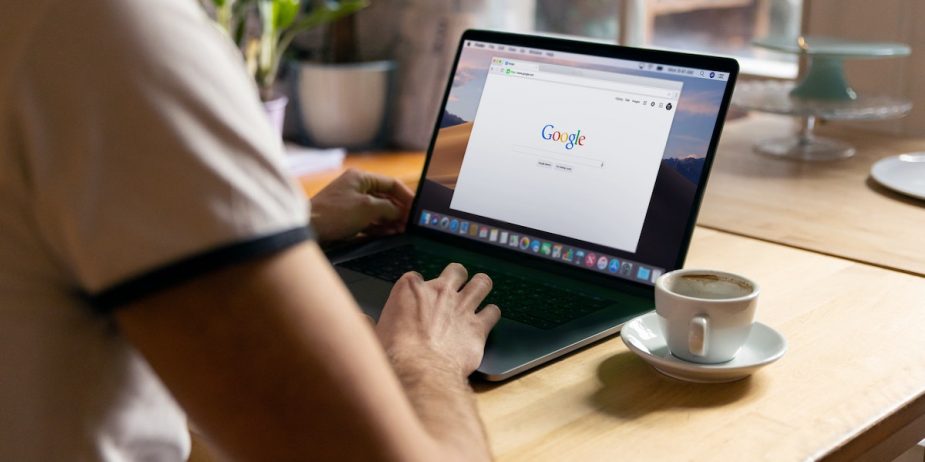
If you run the exact same search on two different search engines, there’s a good chance you’ll get very different results. This can make things a bit tricky from a search engine optimization (SEO) perspective. Many people run SEO campaigns focused on Google, as it is the most widely used search engine in the United States. However, users have many other options – such as Bing – and other search engines are more popular globally.

Search engine optimization (SEO) is typically not an overnight process. It takes time and consistency to increase your page rank. Though there are cases in which people see limited results after just a few weeks, it generally takes between six months and a year to see the significant results you are probably after.